


-
 Kyle McClenagan/Houston Public MediaWatchdog groups Public Citizen and FracTracker said the agency approved stormwater permits related to data centers. The TCEQ says it hasn't violated the governor's pause on data center permits.
 -
 Lauren Bussiere/CourtesyLauren Bussiere is the head of collections at the Texas Archeological Research Laboratory, or TARL. She’s investigating more than 800 fiber artifacts collected in West Texas almost a century ago. Her project could shed new light on our region’s prehistory. It’s also opening new connections between her institution, which is charged with holding prehistoric artifacts, and the descendants of the people who made them.


-
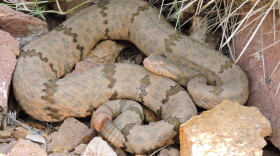 Rock rattlers are small, rarely exceeding 2 ½ feet. Their coloration reflects their environment. Rock rattlers in limestone landscapes are typically light grey, while those found in the Davis Mountain are often pink.
 -
 The state's power grid managers are seeking information about these projects' energy and water usage.
 -
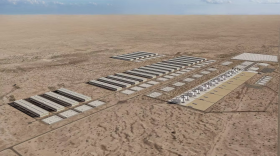 Pacifico Energy, the company developing a massive natural gas power plant and data center owned by Amazon in Pecos County, met with officials in neighboring Brewster County this week about the possibility of a similar project northeast of Alpine.
 -
 Alpha-gal Syndrome is a potentially dangerous allergy to red meat, and it’s transmitted by the lone star tick. The tick gets its name not from our state, but from the single white spot found on the backs of females.


